
Type
Course
Noma: Training of health workers at national and district levels on skin-NTDs
Emplacement
Web-based
Durée
1 Hours
Domaine du programme
Other
Site internet
Prix
0.00 $US
Email du point focal de l’événement
globalhealth@unitar.org
Inscription
Open-registration event
Modalités de prestation
E-learning
Langue (s)
English
Pilier
NCD Digital Health and Capacity Building
Objectifs du cours
- Describe the epidemiology and pathogenesis of noma;
- Describe the clinical aspects;
- Explain how the diagnosis is made;
- Explain how to treat Noma; and
- Summarize the socioeconomic impact, including the human rights perspective, and the appropriate public health interventions.
Contexte
Noma (cancrum oris) is a serious gangrenous disease of the mouth and face, mainly affecting children aged 2 to 6 years in sub-Saharan Africa. Despite substantial knowledge gaps, it is reported to be linked with malnutrition, poor oral hygiene, immunosuppression, and living in extreme poverty situations.
This course addresses epidemiology, pathogenesis, clinical features, diagnosis, treatment, and public health considerations, including the human rights perspective of noma.
Contenu et structure
Noma is a rapidly progressing, invasive, and debilitating gangrenous disease of the orofacial region, which affects the most vulnerable and marginalized populations worldwide, in mainly sub-Saharan Africa, and also, in some cases, in Asia and Latin America. Accurate estimation of the noma burden is challenging due to its fast progression, with high mortality at an estimated 70–90% without any treatment, weak health systems and disease surveillance, and lack of awareness of the disease by health care workers and the general population.
Despite substantial knowledge gaps, noma is reported to be linked to malnutrition, poor oral hygiene, immunosuppression, and extreme poverty situations, many of which are targeted by the United Nations Sustainable Development Goals (UN SDGs) in the 2030 Agenda for Sustainable Development.
While commonly available broad-spectrum antibiotics can be used to treat the early reversible stages of noma, once it progresses, the mortality rate is high and the sequelae are numerous, including difficulty in eating, drinking, and speaking, disfigurement, and social stigma.
The aim of the course is to provide information about noma, and to increase the knowledge and skills of national and front-line health workers to help them prevent, identify and treat this disease.
Méthodologie
NOTE: This course was developed before WHO officially recognized noma as a neglected tropical disease on 15 December 2023 WHO officially recognizes noma as a neglected tropical disease on 15 December 2023.
Approximate course duration: Approximately one hour.
Languages
This course is available in the following languages:
Français | Português | Hausa | हिन्दी, हिंदी
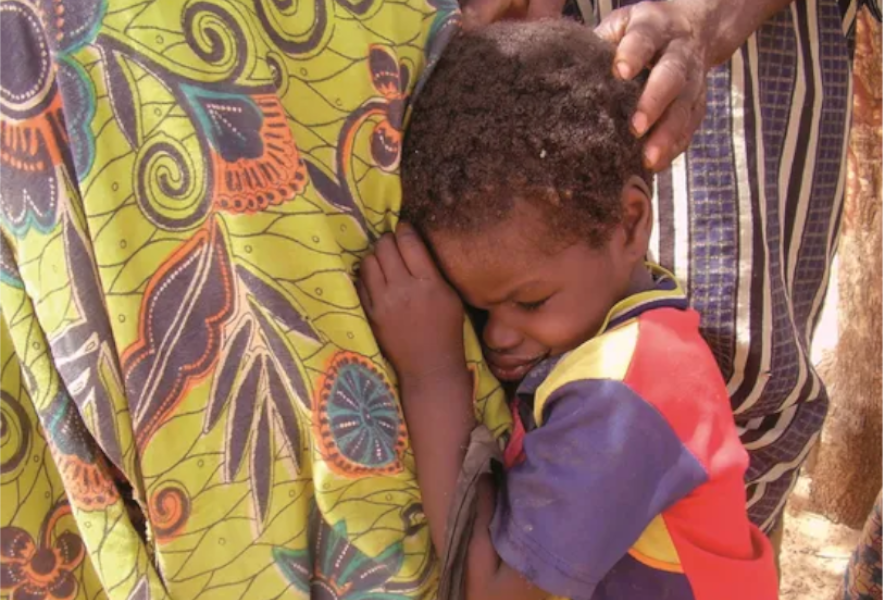
Photo credits: Hilfsaktion Noma e.V: https://www.afro.who.int/publications/information-brochure-early-detection-and-management-noma
Audience cible
This online course is training for national and district-level health workers.
Informations supplémentaires
Assessment & Awards
You will receive a Confirmation of Participation upon completing all the modules in this course. Please note that this award does not serve as a professional qualification.
Other information
Guidance note
The content of this course has been validated, verified, and is owned by the Neglected Tropical Diseases team.
This course is not a WHO Academy co-produced course. In case of any concerns or feedback on the course content, please share your feedback in the survey form at the end of this course.
Browser and device compatibility
For the best experience, we recommend using the latest version of Chrome, Firefox, Safari, or Microsoft Edge to access the courses.
Protection des données et confidentialité
Les données personnelles des participant·e·s qui postulent, s’inscrivent ou participent aux formations et autres événements de l’UNITAR sont régies par la Politique de protection des données et de confidentialité. En postulant, en s’inscrivant ou en participant à cet événement, le ou la participant·e reconnaît avoir pris connaissance de cette politique et en accepter les conditions.