

Type
Conference
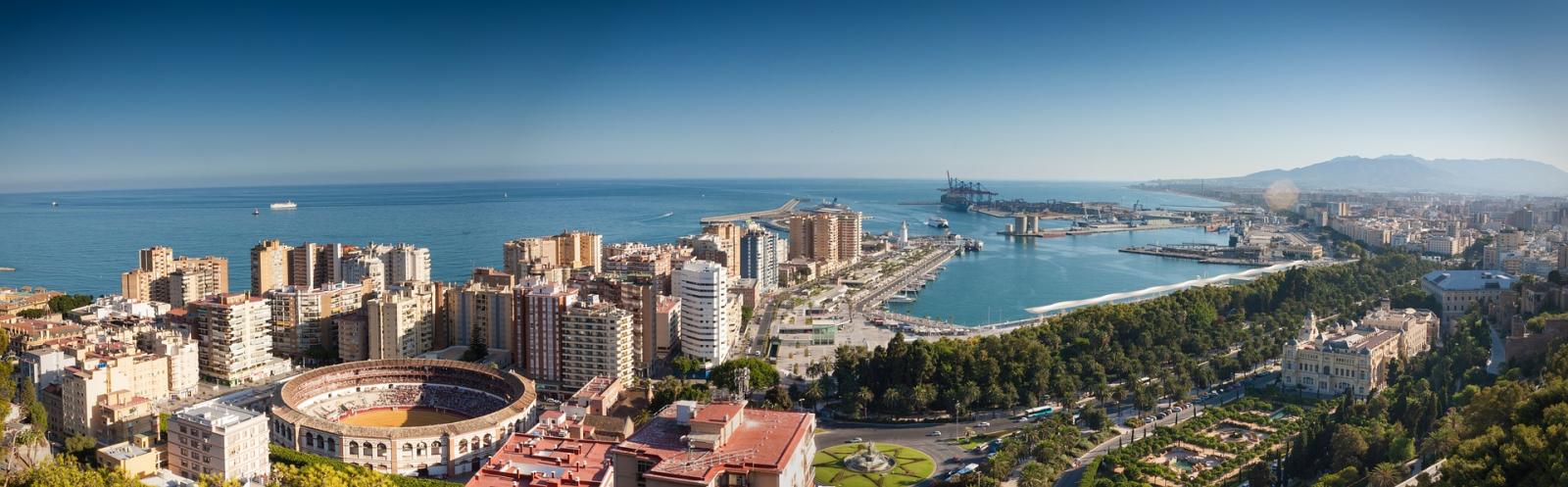
CIFAL Málaga - EcoTurActiva
Location
Web-based
Date
-
Duration
8 Hours
Thematic Area
Climate, Environment and Natural Resources,
Green Economy and Sustainable Production,
Cross Cutting: Learning, Capacity Development and Leadership,
Gender equality and social inclusion
Registration
Open-registration event
Mode of Delivery
E-learning
Language(s)
Spanish
Pillar
People
Partnership
Smart City Cluster, Spanish Olympic Committee
Event Objectives
To detect gender inequalities, identify accessibility barriers, apply universal design criteria, incorporate an inclusive perspective into sports and tourism projects, and evaluate tourism and sports services.
Background
Applicable Regulatory Framework (European, National, and Regional): European Green Deal and EU Circular Economy Action Plan (2020); Law 7/2022 on waste and contaminated soils; Spanish Circular Economy Strategy “España Circular 2030”; Sustainable Tourism Strategy of Spain 2030; PAEAS (Action Plan for Environmental Education for Sustainability). Current Situation of the Sustainable Sports Tourism Sector: The boom in nature tourism and the pressure exerted on waste, water, and energy in natural spaces; shifting from the linear “take-make-dispose” model to maintaining the value of resources for as long as possible. Connection with the Empleaverde+ Pillars and Relevant SDGs: Empleaverde+ (circular economy and climate change) and SDGs 4, 8, 11, 12, 13, and 15. Core Glossary of the Module.
Content and Structure
This 8-hour training module focuses on integrating sustainability, gender equity, and universal accessibility into active tourism.
- B1: Identification and analysis of gender gaps in sports and active tourism (~1 h) examines gender roles and horizontal/vertical industry segregation through commercial brochure audits, using diagnostic tools and inclusive language to identify visual stereotypes and propose communication improvements.
- B2: Universal Design Methodology applied to routes and activities in the natural environment (~2 h) applies the 7 principles of Universal Design and DALCO criteria (Wandering, Apprehension, Localization, and Communication) to adapt eco-itineraries and accessible signage, featuring trail accessibility mapping exercises on locations like the Sierra de las Nieves.
- B3: Innovation in materials, technologies, and products for adapted sports tourism (~1 h) explores adaptive gear and technical aids like Joëlette chairs, handbikes, and audio-described hiking apps through virtual catalog exercises to design accessible kayak or cycling activities.
- B4: Best practices and success stories in Spain and Europe (~1 h) analyzes successful, socially profitable management models integrating equality and accessibility (such as Accessible Greenways) through guided forum debates.
- The course transitions to C Practical application (~2 h), where participants complete a 120-minute individual case study using an "Inclusive Design Canvas" to audit and redesign a real-world adventure package in the Costa del Sol / Sierra de las Nieves, resolving accessibility barriers and gender biases through a technical proposal and virtual defense.
- This is framed by D Cross-cutting perspectives (~1 h), which ensures ESF+ compliance by bridging circular economy practices with women's green employment, inclusive infrastructure, local value return, and measures against greenwashing. Learning across these sections is supported by 4. Training resources and 5. Practical activity (Block C), utilizing multimedia assets like PDF guides, PPTs, templates, and virtual catalogs.
Methodology
Interactive virtual training based on active learning and the resolution of real-world problems. The course utilizes multimedia educational resources (PPT presentations, infographics, technical manuals in PDF, demonstration videos of adapted guiding techniques, and virtual catalogs). Activities include commercial brochure audits, accessibility mapping on real trail layouts (e.g., Sierra de las Nieves), technical equipment cataloging, and guided forum debates. It finishes with an individual case study using an "Inclusive Design Canvas."
Targeted Audience
Professionals, technicians, guides, and managers of active tourism companies, ecotourism, sports activities, and natural protected areas, as well as any individuals interested in specializing in social inclusion under the Empleaverde+ program.
Additional Information
Accreditation requirements: Requires a platform access monitoring report showing at least 50% of the hours completed (Form M4) and passing the practical deliverable case study with a minimum score of 50%. Final documentation: Mandatory issuance of Model M5 (Grade certificate signed by the instructor) backed by physical evidence or platform assessment screenshots. Institutional branding: All module materials must strictly display the co-funding visibility statement for the European Social Fund Plus (ESF+).
Data Protection and Privacy
The personal data of participants applying for, registering for or participating in UNITAR's training courses and other events is governed by the Data Protection and Privacy Policy. By applying for, registering for or participating in this event, the participant acknowledges that he or she is, (or they are) aware of the policy and agree to its terms.