
Type
Workshop
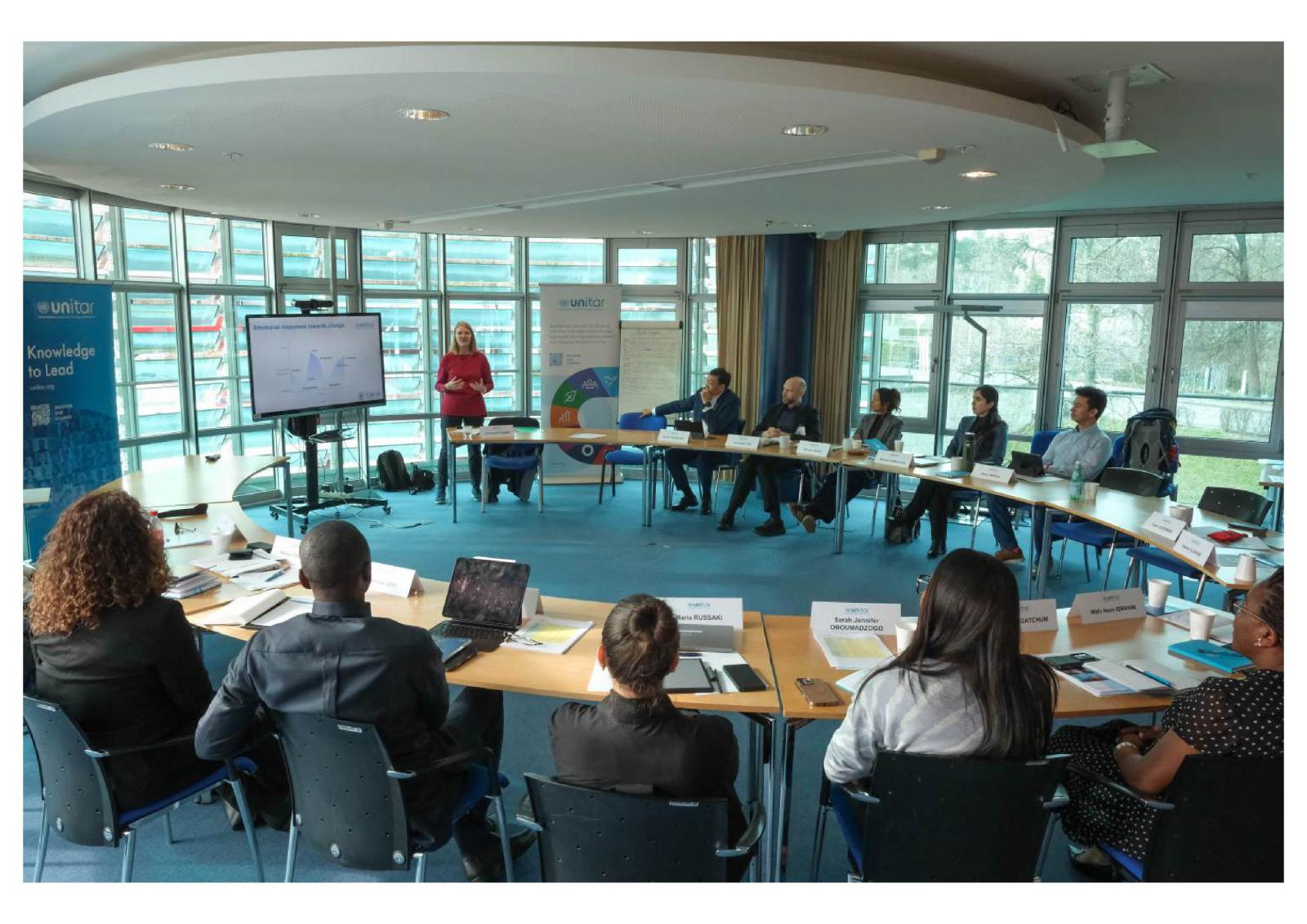
Negotiation Skills and Techniques Workshop
Location
New York, United States of America
Date
-
Duration
2 Days
Thematic Area
Multilateral Diplomacy and Negotiation
Website
Price
$2,000.00
Event Focal Point Email
nyo@unitar.org
Contact Number
+1 212-963-9196
Registration
Open-registration event
Mode of Delivery
Face-to-Face
Language(s)
English
Pillar
Multilateral Diplomacy
Event Objectives
Effective negotiation is critical in many areas, as the ability to reach mutually satisfactory agreements is a key skill in almost any field. Because of this, developing skills to master the art of negotiation is crucial. Preparation is key, especially when creating consensus and partnerships, as well as improving relationships, both within the participant's organizations and with external partners. Before addressing specific issues, it is necessary to negotiate the process and agenda. In any negotiation, communicating effectively, using active listening skills, and asking relevant questions are vital before presenting persuasive arguments. Establishing common ground before expressing ones own demands is also crucial. In short, participants will gain insights into their own negotiation behaviours and learn when to maintain their approach or adapt it to different contexts
Background
Diplomats negotiate all the time. This workshop aims at improving participants’ analytical and interpersonal skills in their continual negotiations to make sure they do first things first. It is important to prepare before action, especially when strong coalitions and consensus are needed, and to improve the quality of relationships, internally through the mandate, and externally with the representatives of other partner states, before any other action. Negotiating the process and agenda is needed before dealing with problems and issues. In a meeting, negotiators must also communicate effectively, and use effective listening before speaking, asking relevant questions before presenting persuasive arguments. They also need to identify common platforms with others, before they express their own demands. In other words, participants will become more aware of how they behave in negotiation contexts, and whether or not they should behave the same way, or differently.
Learning Objectives
At the end of the workshop, participants will be able to:
- Analyse how diplomatic negotiations are conducted;
- Use a preparation grid for better negotiation planning;
- Identify tensions, differences and conflicts in international contexts;
- Describe how to facilitate the peaceful resolution of conflicts;
- Perform more efficiently as a negotiator.
Content and Structure
The course consists of the following 4 sessions:
- Session 1: Negotiation Strategy
- Session 2: Preparation of the Mandate and Negotiation Process
- Session 3: Conflict Resolution
- Session 4: Complex Negotiations
Methodology
The course will be delivered by two distinguished experts:
- Professor Alain Lempereur, an internationally experienced negotiation scholar, mediator and executive trainer; and
- Jimena Leiva Roesch, Director of Global Initiatives and Head of Peace, Climate, and Sustainable Development at the International Peace Institute. A former Guatemalan diplomat, she played a key role in shaping the Sustainable Development Goals and served as Guatemala’s lead negotiator for the Paris Agreement.
The course is designed to be interactive and participatory, including various pedagogical tools to enable the participants to function effectively and efficiently in multilateral conferences. The course will be built on four pedagogical pillars: concept learning (lectures and presentations), role-playing (group exercises), experience sharing (roundtable discussions), and exposure to real-world problems and policy choices delegates are confronted with.
Targeted Audience
This workshop is open to members of Permanent Missions and delegates of Ministries of Foreign Affairs and other government officials, representatives of international, intergovernmental, and non-governmental organisations, private sector specialists, academia and other stakeholders.
Additional Information
Insurance Waiver:
By applying to this Workshop, all participants confirm that they are aware that the United Nations Institute for Training and Research (UNITAR) does not insure participants for this course. All participants are advised to arrange at their own expense insurance against sickness, accident, permanent or temporary disability, death and third party risk for the period of the meeting including travel time.
Certificate:
Participants who have attended all the sessions will receive a certificate of participation.
Note: Participation is on a first-come, first-served basis, and registration will be closed once we have reached the maximum number of participants.
Disclaimer: By submitting an application to this workshop, applicants acknowledge and confirm their commitment to upholding the principles and values of the United Nations and UNITAR. UNITAR maintains a zero-tolerance policy regarding conduct that is incompatible with its mission, including but not limited to abuse of authority, sexual exploitation and abuse, sexual harassment, and all forms of discrimination.
Data Protection and Privacy
The personal data of participants applying for, registering for or participating in UNITAR's training courses and other events is governed by the Data Protection and Privacy Policy. By applying for, registering for or participating in this event, the participant acknowledges that he or she is, (or they are) aware of the policy and agree to its terms.