
UNITAR Online Catalogue
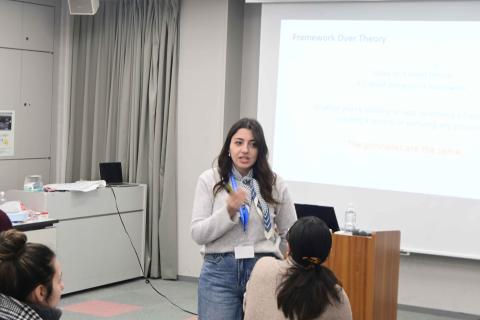
RISE LAB EIL 2025; Phase Three – 2nd Mentoring Session, Project Management by Lynn Berjaoui
Prosperity
Background
The Project Management component of the programme on Emergency Assistance for Women and Youth in Egypt, Iraq, Lebanon: Promoting Food, Economic Security, and Peace through Entrepreneurship is designed to help participants translate ideas into well-structured and achievable initiatives. It strengthens their ability to plan, organize, and manage entrepreneurship and agribusiness activities across the full project cycle, from identifying needs and defining objectives to implementation, monitoring, and adaptation. Embedded across the programme's three phases, this component supports participants in developing practical action plans, coordinating resources, managing risks, and keeping project activities aligned with local realities, food-security priorities, and community impact.
Event Objectives
This mentoring session aims to build participants' capacity to manage entrepreneurship and agribusiness projects effectively by improving planning, coordination, delivery, and accountability throughout project implementation.
Learning Objectives
Participants will learn how to define project scope, set realistic goals, prepare workplans, manage timelines and tasks, identify risks, monitor progress, and engage stakeholders in a structured and practical way.
Content and Structure
Participants move from understanding project fundamentals to applying planning tools, milestone tracking, implementation management, and review mechanisms to their own business or community-based initiatives.
Methodology
Live webinar, lecture and interaction with the participants.
Targeted Audience
34 participants from Egypt, Iraq, and Lebanon.
Additional Information
Delivered by UNITAR's Division for Prosperity, this component helps participants strengthen implementation discipline, improve decision-making, and increase the feasibility and sustainability of their entrepreneurship projects through structured project planning and management practices.